
One such measure is the use of a retainage fee, which is a percentage of the contract amount that an owner withholds from a contractor until the completion of the project. The purpose of retainage is to ensure contractors fulfill all their contractual obligations, including timely completion and quality work. A retention bond allows the retainer to receive the payment in full instead of a partial 90 to https://www.bookstime.com/blog/hoa-accounting 95 percent of the agreed amount. It also provides additional funds to remedy an issue before the project’s completion. Furthermore, it helps prevent construction companies from defaulting.
Considering a contract management software?

Save hours each month on efficient progress billing and better focus retention vs retainage on projects. Break silos and improve cash flow with tools that keep everyone on the same page. Streamline change management and minimize risk with a centralized log. Just about every construction contract will require that work be done in a “workmanlike manner.” But what exactly does that…

Set up retention policies for your contracts with PandaDoc contract management software

Accordingly, rules, requirements, and practices have been built into federal law and the laws of many states, with respect to retainage to promote its fair use and to prevent its abuse. The amount of the contract price that can be withheld and the time for which the retainage may be withheld vary by state (and federally), and be dependent on project type. First, it’s abused to “stay ahead.” It’s a common construction practice to underpay a contractor for work done on a job. If, for example, 30% of work is completed, the developer or GC will only pay 25% of the price. This is done to “stay ahead” of the subcontractor, to further protect the owner or GC. You should check out the payment reputation and practices of your contractor to see whether anyone reports them engaging in this abusive practice.
- According to the standards, the construction retention range is 5-10% of the general contract price and it’s largely dependent on the type of construction contract signed.
- They’re essentially forced to finance the job while GCs don’t have to pay anything until they’ve been paid by their client.
- As a general contractor, you manage diverse responsibilities that draw from an extensive skillset.
- In construction accounting, you have your accounts receivable and accounts payable, which record cash flowing in and out of your business.
- This means they can experience the same cash flow issues as primary contractors.
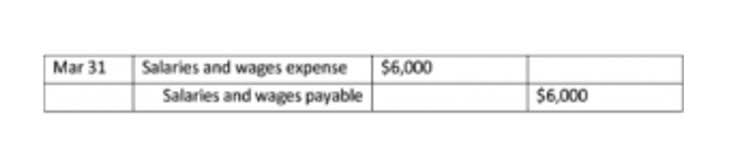
- When the retention payment is made, it is posted against accounts payable to clear the amount owing.
Construction Newsletter

In some cases, retainage is withheld until the entire project is complete. In others, it is released in several portions as the project progresses. Often, this is done by assigning retainage release to certain milestones.
- Retainage can cause strain on a contractor’s cash flow, but fortunately it’s not withheld in its entirety up front.
- With so many variables to account for, construction businesses have evolved strategies to reduce risk and ensure projects are completed successfully.
- One effective tool for achieving this is the Release of Retainage Bond, which offers significant benefits to both parties involved in a construction project.
- Because of the pay-when-paid clause, most general contractors will notice that their accounts receivable retainage and accounts payable retainage line up with their payments.
- If a chunk of work has not been finished or has been completed erroneously, retainage may be withheld after the project is completed.
Retainage and retention both refer to the portion of a contract payment that is withheld until a project reaches satisfactory completion, but the terms are often used in slightly different contexts. Retainage typically describes the actual amount withheld What is bookkeeping from payments to contractors or subcontractors, often a fixed percentage such as 5% or 10%. Retention refers more broadly to the practice or policy of withholding this amount as a safeguard against incomplete or defective work.
- However, a retention bond might also be introduced later on in a project in order to get ahold of retainage that’s been building up.
- Before you develop and agree to the next construction contract, you should understand the retainage related to the construction industry that will be listed in your contract until the conclusion of the entire project.
- Retention payable is recorded by owners and general contractors and is the amount owing to contractors or subcontractors for retention.
- Release of Retainage Bonds provides a valuable tool for both contractors and project owners, offering financial flexibility and risk mitigation in the construction industry.